NEWSFEED
CEO Message: November 2026
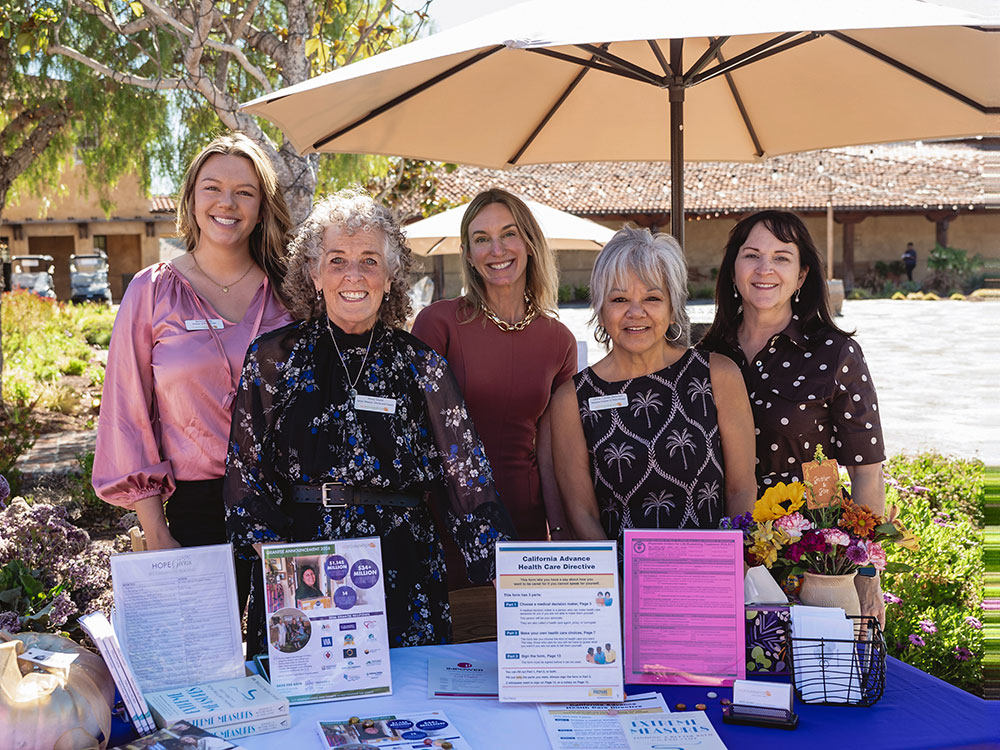
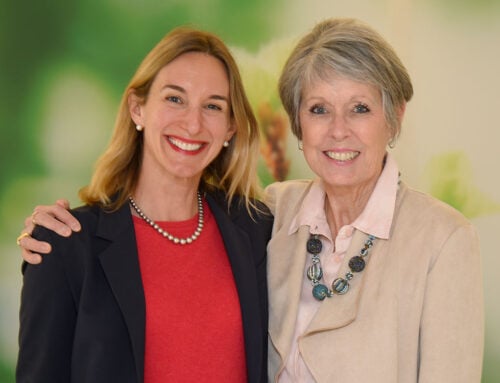
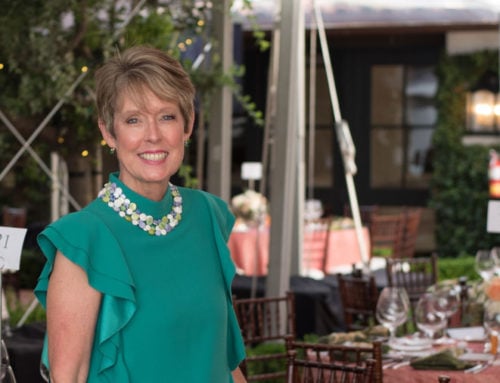
The Hospice Giving Foundation team: Jenny DeVries, Director of Philanthropy;
Mary Gunn, Senior Director of Grants & Impact;Erin White, President & CEO;
Diane Camba Jackson, Assistant Director of Philanthropy; and
Jennifer Balducci, Senior Director of Finance & Operations
“Wholeness is what we ought to be striving for and part of that is sadness, disappointment, frustration, failure; all of those things which make us who we are. Happiness and victory and fulfillment are nice little things that also happen to us, but they don’t teach us much. …
I’d like just for a year to have a moratorium on the word ‘happiness’ and to replace it with the word ‘wholeness.’ Ask yourself, ‘Is this contributing to my wholeness?’ and if you’re having a bad day, it is”
—Hugh Mackay, The Good Life
Dear Friends,
Mackay’s quote is a challenging idea, isn’t it? Especially in a country where “the pursuit of happiness” is written into our Declaration of Independence. I came across it a few years ago when I was going through an especially hard time, and it resonated with me. And while I wouldn’t trade my American optimism and sense of possibility for anything (I’m a Cleveland Browns fan, for Pete’s sake!), there are moments when “being whole” is a more helpful aim in life.
I just returned from a four-day intensive grief and bereavement skills training with Dr. Alan Wolfelt of the Center for Loss and Life Transition. A friend of Hospice Giving Foundation had turned to Wolfelt’s work while grieving his longtime partner and suggested we check it out, particularly given our support for grief education in our community.
So, I boarded a plane to Phoenix with my binder and books in hand, like the good straight-A student I’ve always been.
Two days later, I found myself spending our daily 15-minute breaks in a bathroom stall scrolling through social media in a quiet rebellion against…feeling.
My books weren’t going to be much help here. This training required more of me than I anticipated, and there were times I wasn’t sure I was up to the task.
Dr. Wolfelt teaches a model of “companioning grief” rather than “treating grief.” Instead of attempting to fix someone, the companion offers an accepting presence in which the grieving person can mourn in their own time, in their own way. Tenets include “The griever is the only expert on their own grief” and “there are no rewards for speed.” The companion’s task is to walk alongside the grieving person “in the wilderness,” with radical presence, often in silence, and without judgment.
Easier said than done.
As you know, I love the world of elegant, literary ideas. I talk about how the word “compassion” comes from the Latin root “to suffer with”, or how loss often leads to great art. But none of those words helped when I left our hotel conference room every day. What I did was walk out the front door into that still-hot desert air, turn my headphones all the way up, and turn left or right—it didn’t matter. I just needed to walk for a long, long time.
Our cohort included 35 participants from around the continent, many inspired by their own complicated or traumatic losses or experiencing what Dr. Wolfelt calls “loss overload”—when one loss piles on top of another. I’m grateful for how openly my classmates shared their experiences and for the opportunity to explore mine. What surprised me was how much I didn’t want to.
Like many of us who work in caregiving or empathic fields, sometimes I am more willing to sit with another’s pain than I am my own.
And as I progressed through the workshop, I began to suspect that I might be a somewhat limited companion if I continued to do so. In that particular room, I could sense who had taken the time to explore the dark edges and corners of their own lives and losses. They seemed to have more stamina to truly accompany someone in pain. Like any good guide, they knew the wilderness.
I had work to do.
No one asks for sadness. And I would never suggest that we sign up for loss and disappointment to become better people. But they are part of our lives nonetheless. The path to “wholeness” is not an easy one. It can be searing at times.
What if we learned to be better companions to each other along the way?
I often find myself writing these letters around a meaningful holiday, and it seems I always say the same thing. But it bears repeating: If you’re not feeling 100% this holiday season—or on any holiday—you are not alone. We at Hospice Giving Foundation see you and are here for the journey.
No matter where you are, I wish you a whole holiday.
In gratitude,

Erin White
President & CEO
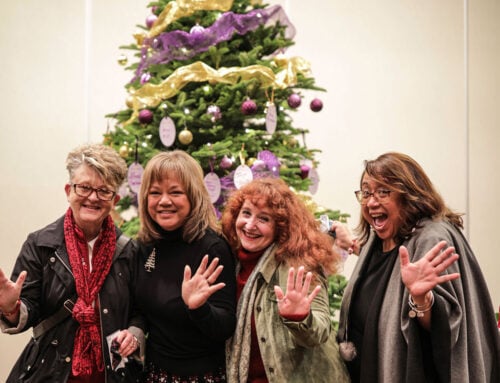
P.S. Please join us for our annual Tree of Life Ceremony at the Portola Hotel and Spa on December 6 at 5 pm. No reservation needed—just come.